
Recognizable Appearance
The persona remains recognizable even across different looks and scenes.
Modern AI companions can do more than hold a conversation. They can create character images, preserve a recognizable appearance and generate new photos in different situations and surroundings.
The Key Difference
Most image generators create a new person with practically every request. An AI companion works differently: what matters is not one individual picture, but preserving the identity of a specific character.
The persona remains recognizable even across different looks and scenes.
The same character can appear in a new setting and style.
Photos can be created directly while you are chatting.
Why It Matters
Many users think the most important thing about AI images is maximum realism.
But for an AI companion, something else matters more: the character should remain recognizable.
That is what creates the feeling that you are talking not to a random collection of images, but to a specific digital character.
Possibilities
Modern AI models can preserve a character’s identity while changing clothing, surroundings, mood and image style.
This means the same virtual companion can appear in dozens of different situations while remaining recognizable.
Photos make a character easier to perceive, help you remember their appearance and strengthen the sense of presence.
In Detail
The first AI companions were mainly text-based. Users wrote a message, received a reply and gradually became familiar with the conversation style. That was already enough to create the feeling of dialogue: when an AI responded naturally, maintained context and did not sound like a dry reference guide, the format began to work.
But text-based conversation has a limitation: the character exists in the imagination. Users may understand the personality, response style and emotional tone, but they do not always have a complete image in front of them. Over time, it became clear: AI companions need not only messages, but also a visual identity.
That led to AI characters with images: virtual companions who have not only a personality, but also an appearance. This brings the format closer to a complete digital character, rather than simply a chatbot with a beautiful name.
A standard image generator solves a different problem. A user writes a prompt, the model creates an image, and the scenario ends there. If you make a second request, the face, style and proportions may change. Formally, it is still a “beautiful woman,” but now she is a different person.
For an AI companion, this approach breaks the sense of character. Today, the companion looks one way, tomorrow another, and the day after that a third way. In the end, the user sees not a consistent AI girlfriend, but a collection of unrelated images.
That is why image quality alone is not enough. Consistency matters more. The character should remain recognizable: similar facial features, an overall style, mood, visual logic and the feeling that this is still the same virtual companion.
An AI character is not just an image. It combines several layers: appearance, personality, communication style, scenarios, memory and visual identity. Remove even one part, and the persona becomes less complete.
In llmgirl, each primary persona has a core visual identity. Based on it, new images can be created: changing the surroundings, mood, background, scene and details while preserving a recognizable appearance.
This differs from random generation. Users are not talking to an abstract “AI girl,” but to a specific persona with a name, personality, visual style and its own rhythm of conversation.
A realistic image can make an impression once. But if the character looks like a different person in the next image, the effect quickly breaks. For an AI companion, recognizability matters just as much as photorealism.
Imagine talking to one virtual woman while every new photo shows a different person. Even if all the images are high quality, your mind cannot combine them into one identity. There is no sense of continuity, no visual memory and no coherence.
That is why a strong visual AI companion is built around consistency. A core appearance becomes an anchor. Around it, the scenes can change: a café, city, park, home atmosphere, fantasy background, evening light, portrait, stylization or seasonal mood.
In simple terms, the process looks like this: first, the character’s core identity is created. This is the foundation users remember. Then new variations are generated from that identity: with a different background, lighting, clothing, angle or mood.
This approach preserves the feeling of the same persona. The model does not invent a random woman each time; it relies on an established visual style. As a result, the images feel more coherent.
For users, this feels more natural. They can request a photo in a particular mood or situation and still receive an image of the same persona they already know.
One of the most interesting scenarios is generating an image directly during a conversation. Users do not need to open a separate complex editor, write a long technical prompt or adjust dozens of parameters. They simply write something in the chat such as: “send me a photo,” “send a photo in a summer look,” “make a portrait” or “I want to see you with the city in the background.”
This format feels closer to natural conversation. The image does not appear as a separate feature hidden in a menu, but as part of the dialogue. This strengthens the feeling that the character is truly present in the chat rather than existing only as a series of text replies.
At the same time, safe boundaries matter. A visual format does not need to become 18+. Images can be aesthetic, atmospheric, beautiful and personal without explicit content.
The main difference is the goal. A standard image generator responds to the request: “create a picture.” An AI character responds to a different request: “show the same character in a new situation.”
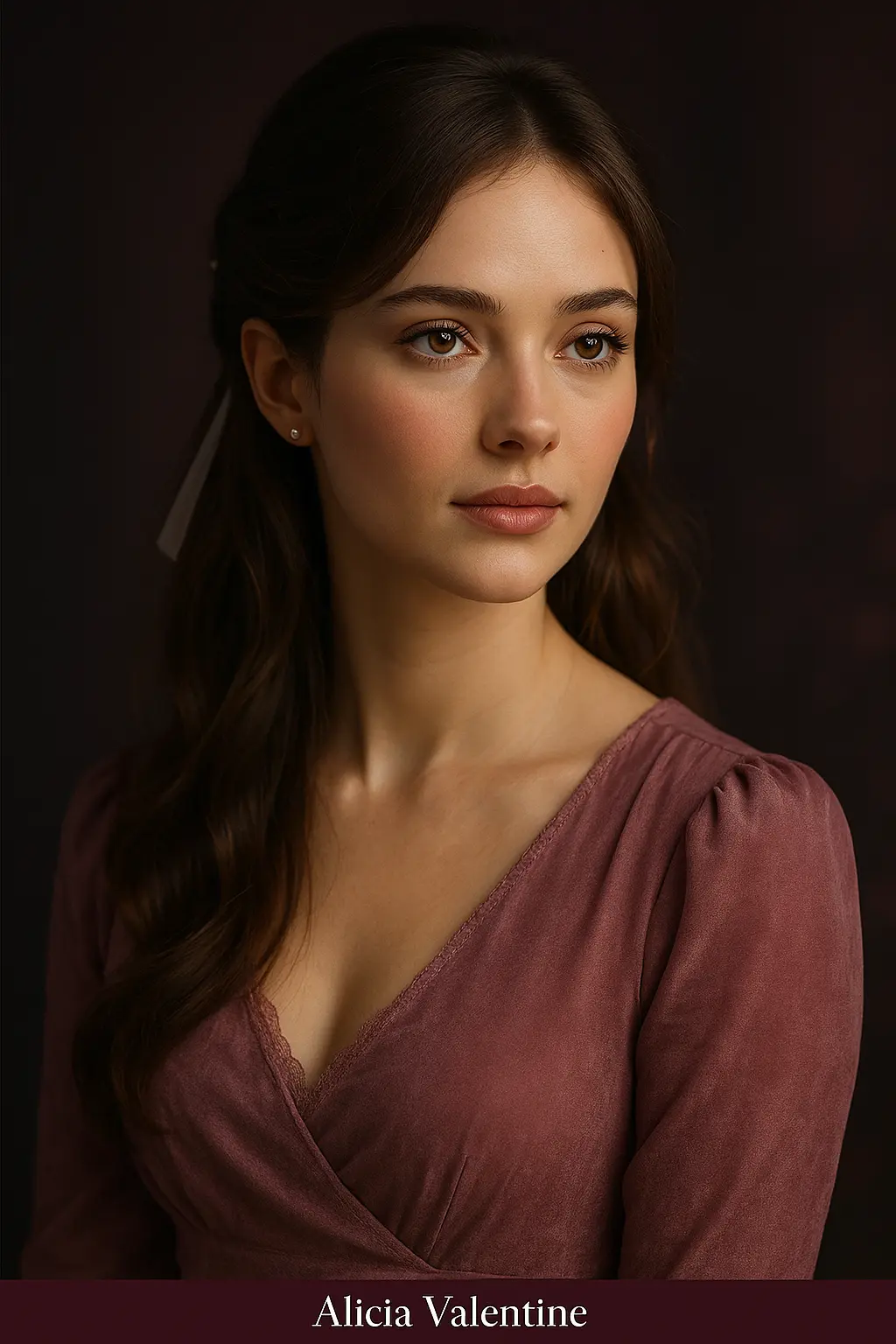
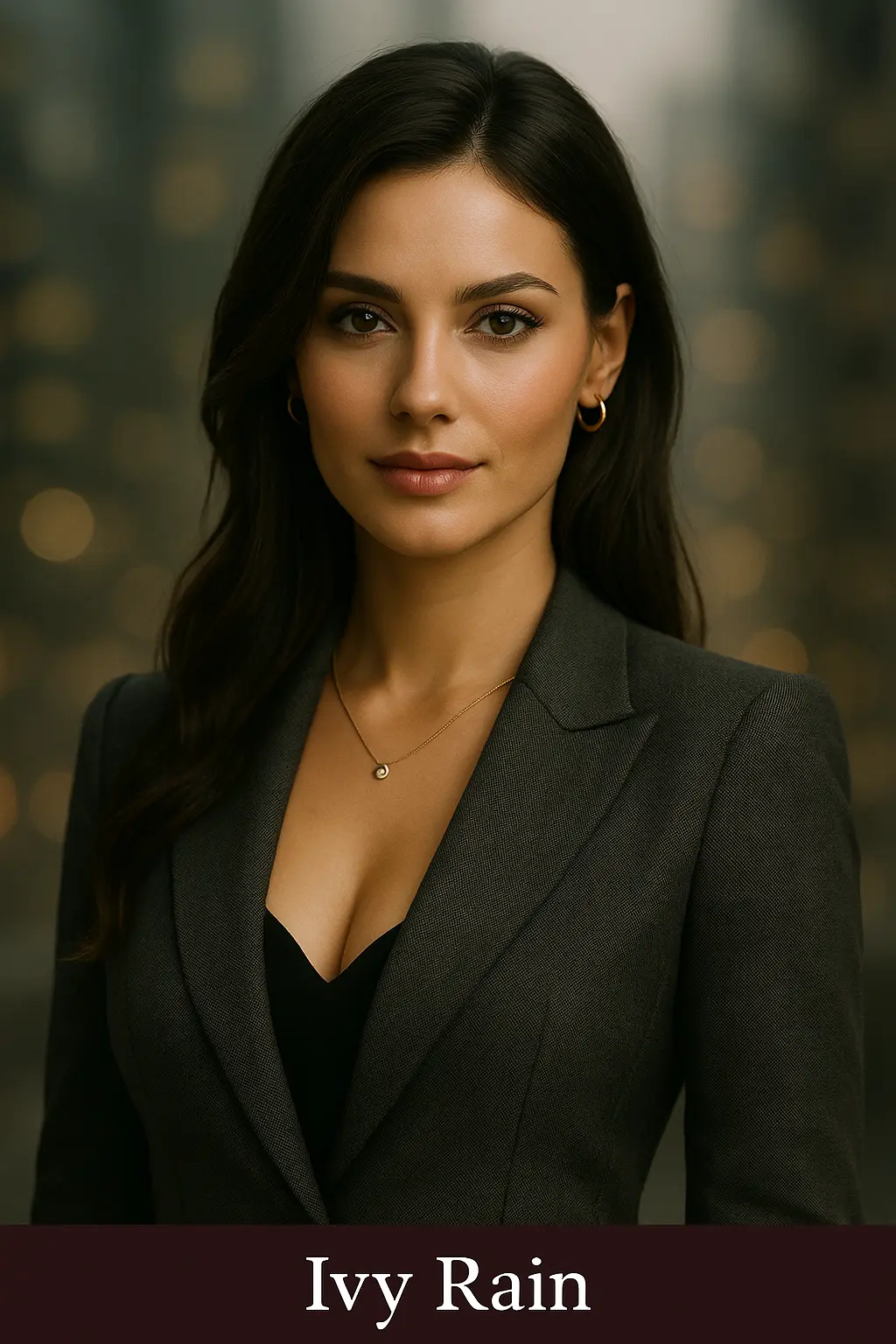
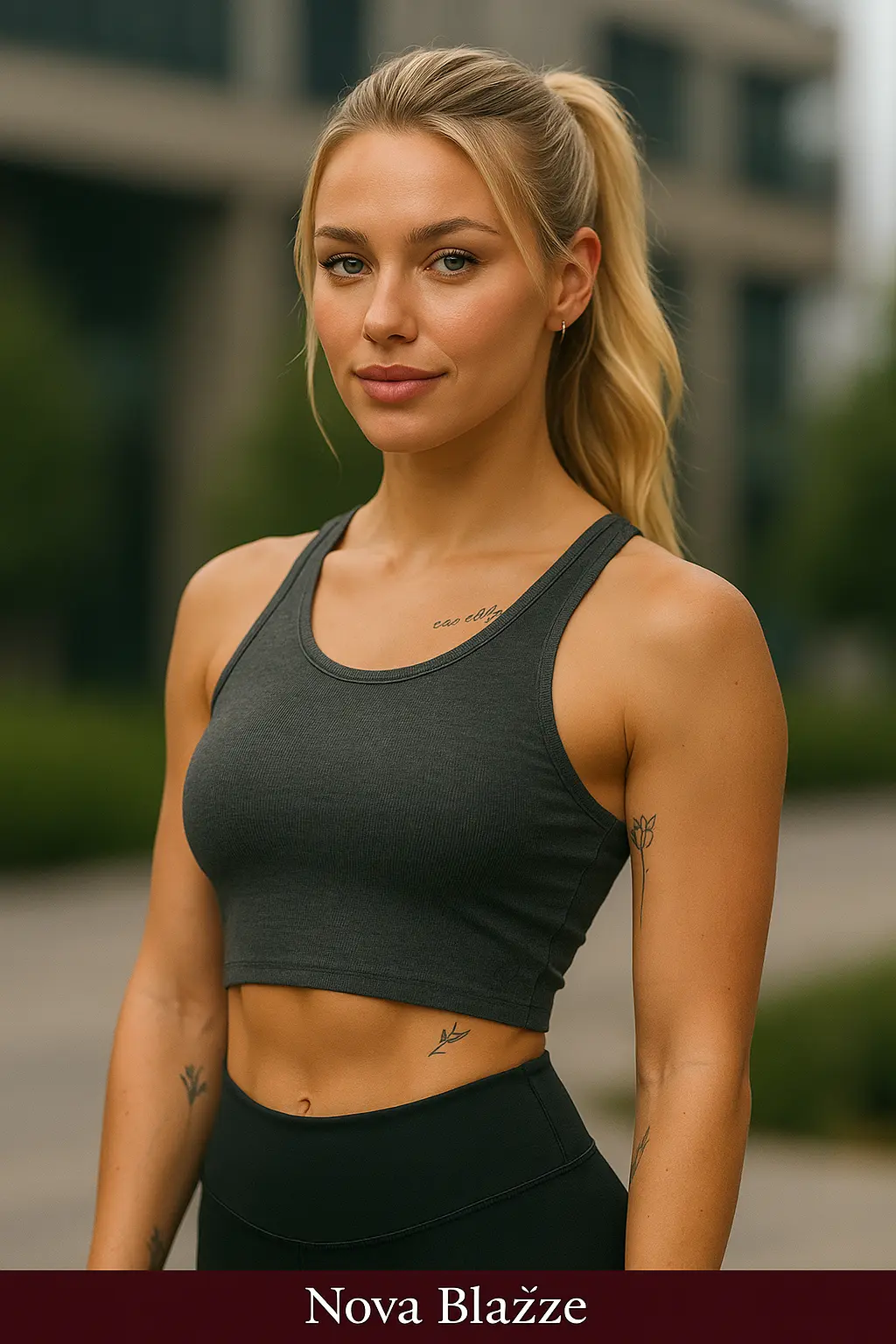
In the first case, one individual image matters. In the second, the connection between images, conversation and personality matters. If Alicia is gentle and warm, her visual style should support that feeling. If Nova is more energetic, the image can be brighter and more dynamic. If Ivy is composed, the visual style can be calmer and more refined.
This makes images part of the product rather than merely a decorative bonus. The image becomes an extension of the character’s personality.
AI girlfriend images can take many forms. It all depends on the goal, the character and the service’s overall aesthetic.
For an AI companion, it is important that the style does not conflict with the persona. If the visual looks beautiful but does not match the personality, a disconnect appears: the text says one thing while the image shows another.
Realistic images attract the most attention because they are closer to how people typically perceive the world. Users see a face, gaze, pose, lighting and surroundings. All of this strengthens the sense of presence.
But realism is not the only criterion. An excessive focus on photorealism can sometimes make a character feel cold or random. For an AI girlfriend, balance matters more: the image should be high quality while preserving recognizability, atmosphere and a connection to the personality.
A good realistic photo does not simply “look like a real person.” It helps users sense the persona more clearly: gentle, calm, energetic, confident, romantic or composed.
Not everyone wants realism. Some users prefer anime style, an illustrative presentation or a more artistic character. This visual approach can be more expressive and emotional than a realistic photo.
Stylized images work well when users see an AI companion as a character rather than an attempt to imitate a real person. This reduces the uncanny effect and makes the format feel closer to a game, visual novel or interactive character.
The principle remains the same: the style can change, but the persona should remain recognizable. If every new artwork looks like a new character, the connection is lost.
Text creates meaning. An image creates a visual identity. When they work together, an AI companion becomes more memorable.
Users see not just a reply in a chat, but the character connected to that reply. This is especially important for long-term conversation: the appearance becomes anchored in memory, and the dialogue feels more personal.
But an image should not replace conversation quality. If a character looks beautiful but responds in a boring, generic way or fails to maintain context, the effect quickly disappears. A strong AI companion combines visual identity, personality, memory and good conversation.
AI girlfriend images do not need to be explicit. A strong visual product can be built around aesthetics, mood, personality and atmosphere.
A safe format allows images to enhance conversation rather than lead into risky scenarios. A character can be beautiful, warm, vibrant, stylish or romantic without 18+ content.
This approach is more sustainable for a long-term product. Users can return to a character not because of one-time provocation, but because they enjoy the identity, communication style and atmosphere.
A good request does not need to be technical. Simply describe the mood, scene and desired style.
For more control, you can specify the background, lighting, clothing, mood, style and angle. But for the first attempt, it is better not to overload the request.
This material is for informational purposes. llmgirl operates in a safe format without 18+ content. Images are used as part of an AI character’s visual identity and should respect personal boundaries.
FAQ
Here are the essentials: how images are created, why a character looks consistent and how this format differs from standard generation.
Yes. Modern AI companions can create character images and new scenes based on their appearance.
A core visual identity is used to help preserve a recognizable appearance between generations.
Yes. The same character can appear in different places, looks, moods and visual styles.
An AI character preserves personality and visual identity between generations, while standard generators often create different people in each image.
Yes. Images can be generated directly during a conversation when the selected AI companion supports this scenario.
No. The visual format can be aesthetic, atmospheric and personal without explicit 18+ content.
Conclusion
AI girlfriend photos work best not as random beautiful pictures, but as extensions of an identity users already know. A consistent appearance, personality, communication style and visual atmosphere together create a complete AI persona.
That is why the future of AI companions is not simply image generation, but the creation of recognizable digital characters that users can talk to, receive new visual scenes from and return to again and again.
Choose a persona, start a conversation and see how text-based chat works together with the character’s visual identity.
llmgirl personas
The same AI chat can feel completely different: gentle support, practical focus or extra energy. Start with the persona whose tone feels right today.
 👑
👑
Gentle support
A warm, thoughtful and calm persona for evening conversations, support and a comfortable pace.
 🌿
🌿
Focus and clarity
A practical, collected persona for structure, planning, focus and direct conversations.
 🔥
🔥
Energy and momentum
An energetic and charismatic persona for motivation, a lively rhythm and brighter conversations.
Not sure where to start? Choose Alicia for support, Ivy for focus, or Nova for energy and a lively pace.
What to read next
A selection of related pages to quickly jump to the scenario you need.
FAQ
Yes. Modern AI companions can generate character images and new scenes based on an established visual identity.
A consistent base appearance helps preserve recognisable facial features, style and overall identity between generations.
Yes. The same character can be shown in different locations, outfits, moods, lighting and visual styles while remaining recognisable.
A standard generator focuses on producing one image from a prompt, while an AI character maintains continuity between images, dialogue and personality.