
Updated: 12.05.2026
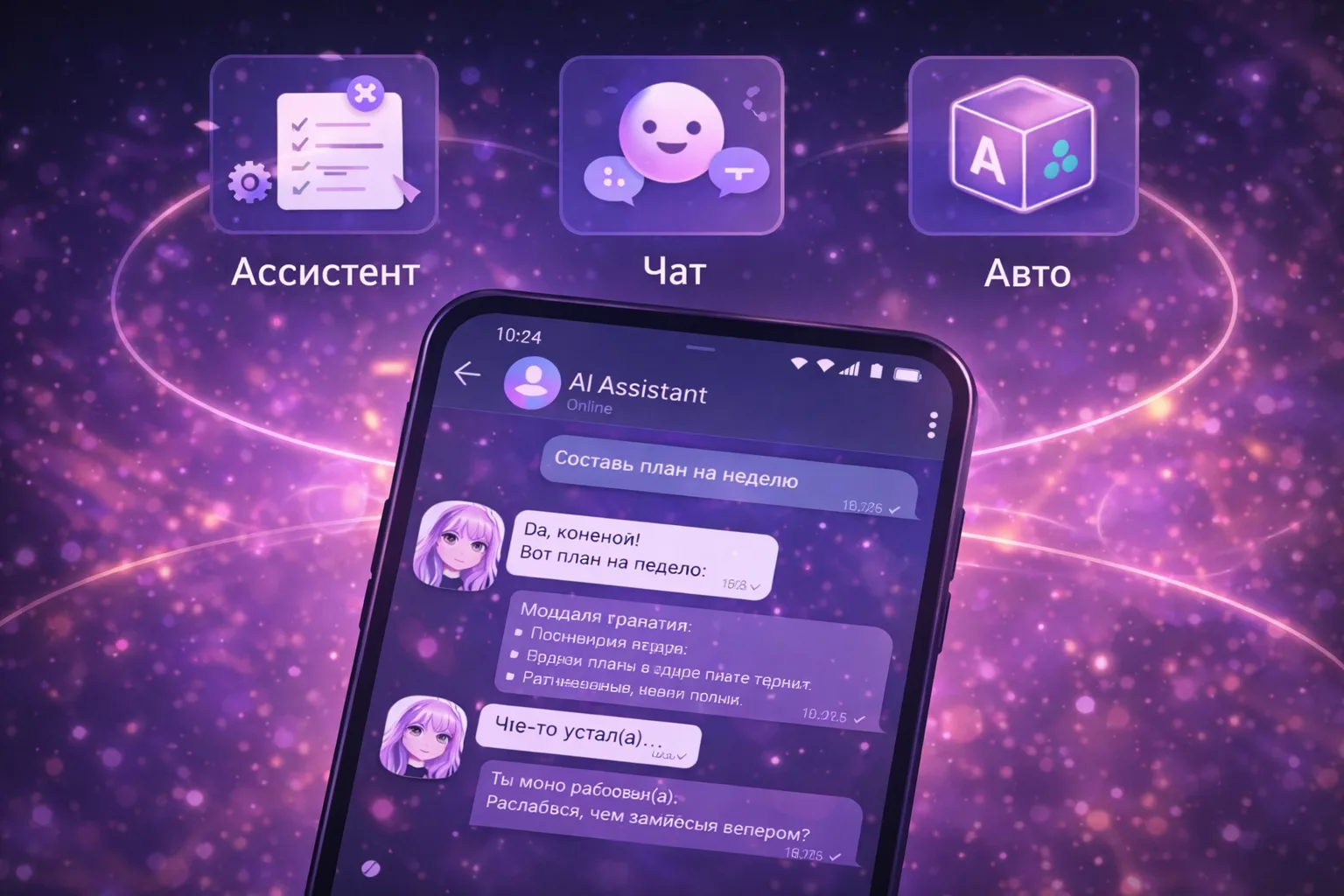
An AI girlfriend’s personality matters more than her avatar. Personality determines whether a conversation feels warm, focused, energetic, calm or motivating. When you choose a style that matches your current state, communication becomes noticeably more natural and useful.
Why Personality Matters More Than an Avatar
A visual image attracts attention, but it is not what keeps a user engaged. What matters is the feeling of the conversation: how the AI responds, whether it remembers the chosen tone, whether it can offer support and whether it avoids sounding too formulaic.
If the personality is poorly matched, even an attractive image quickly stops working. For example, someone may need calm support while the character responds with excessive enthusiasm. Or the opposite: the user wants energy and a light challenge, but the conversation becomes overly gentle.
That is why personality is not a decorative detail, but the foundation of the user experience.
What Shapes an AI Girlfriend’s Personality
Personality can be understood as a set of consistent communication rules. They define how the character responds to emotions, offers help, uses humour, maintains boundaries and chooses a conversational rhythm.
- Tone — gentle, professional, upbeat, calm or playful.
- Pace — short replies or detailed explanations.
- Role — supporter, conversational partner, assistant or motivator.
- Boundaries — a safe format without adult content or toxicity.
- Initiative — asks questions or waits for direction from the user.
Why There Is No One-Size-Fits-All Persona
The same communication style can feel perfect in the morning and completely wrong in the evening. After a difficult day, someone may want gentleness, while before starting a task they may need focus. During anxiety, a calm tone helps; during procrastination, an upbeat but non-aggressive style may work better.
So the right question is not “which persona is best?”, but “which persona fits my current situation?”.
Main Personality Types
Type 1: Gentle, Supportive Persona
This personality affects more than just the words; it shapes the entire rhythm of the conversation: how the character asks questions, how actively it suggests ideas, whether it allows pauses, and whether it can be gentle or help you regain focus.
Before choosing, it helps to ask yourself: do I currently need support, structure, energy, calm or communication practice? The answer determines which persona will feel natural and which may start to irritate you after a few messages.
Good personality settings should not turn the AI into a caricature. It is better to define 3–5 consistent traits than to describe an ideal person over two pages.
Type 2: Focused, Professional Persona
This personality affects more than just the words; it shapes the entire rhythm of the conversation: how the character asks questions, how actively it suggests ideas, whether it allows pauses, and whether it can be gentle or help you regain focus.
Before choosing, it helps to ask yourself: do I currently need support, structure, energy, calm or communication practice? The answer determines which persona will feel natural and which may start to irritate you after a few messages.
Good personality settings should not turn the AI into a caricature. It is better to define 3–5 consistent traits than to describe an ideal person over two pages.
Type 3: Energetic, Charismatic Persona
This personality affects more than just the words; it shapes the entire rhythm of the conversation: how the character asks questions, how actively it suggests ideas, whether it allows pauses, and whether it can be gentle or help you regain focus.
Before choosing, it helps to ask yourself: do I currently need support, structure, energy, calm or communication practice? The answer determines which persona will feel natural and which may start to irritate you after a few messages.
Good personality settings should not turn the AI into a caricature. It is better to define 3–5 consistent traits than to describe an ideal person over two pages.
Type 4: Calm, Neutral Style
This personality affects more than just the words; it shapes the entire rhythm of the conversation: how the character asks questions, how actively it suggests ideas, whether it allows pauses, and whether it can be gentle or help you regain focus.
Before choosing, it helps to ask yourself: do I currently need support, structure, energy, calm or communication practice? The answer determines which persona will feel natural and which may start to irritate you after a few messages.
Good personality settings should not turn the AI into a caricature. It is better to define 3–5 consistent traits than to describe an ideal person over two pages.
Type 5: Playful Style Without Adult Content
This personality affects more than just the words; it shapes the entire rhythm of the conversation: how the character asks questions, how actively it suggests ideas, whether it allows pauses, and whether it can be gentle or help you regain focus.
Before choosing, it helps to ask yourself: do I currently need support, structure, energy, calm or communication practice? The answer determines which persona will feel natural and which may start to irritate you after a few messages.
Good personality settings should not turn the AI into a caricature. It is better to define 3–5 consistent traits than to describe an ideal person over two pages.
Type 6: Mentoring Style
This personality affects more than just the words; it shapes the entire rhythm of the conversation: how the character asks questions, how actively it suggests ideas, whether it allows pauses, and whether it can be gentle or help you regain focus.
Before choosing, it helps to ask yourself: do I currently need support, structure, energy, calm or communication practice? The answer determines which persona will feel natural and which may start to irritate you after a few messages.
Good personality settings should not turn the AI into a caricature. It is better to define 3–5 consistent traits than to describe an ideal person over two pages.
Type 7: Journal-Style Persona
This personality affects more than just the words; it shapes the entire rhythm of the conversation: how the character asks questions, how actively it suggests ideas, whether it allows pauses, and whether it can be gentle or help you regain focus.
Before choosing, it helps to ask yourself: do I currently need support, structure, energy, calm or communication practice? The answer determines which persona will feel natural and which may start to irritate you after a few messages.
Good personality settings should not turn the AI into a caricature. It is better to define 3–5 consistent traits than to describe an ideal person over two pages.
Type 8: Confidence-Building Style
This personality affects more than just the words; it shapes the entire rhythm of the conversation: how the character asks questions, how actively it suggests ideas, whether it allows pauses, and whether it can be gentle or help you regain focus.
Before choosing, it helps to ask yourself: do I currently need support, structure, energy, calm or communication practice? The answer determines which persona will feel natural and which may start to irritate you after a few messages.
Good personality settings should not turn the AI into a caricature. It is better to define 3–5 consistent traits than to describe an ideal person over two pages.
Type 9: Productivity Style
This personality affects more than just the words; it shapes the entire rhythm of the conversation: how the character asks questions, how actively it suggests ideas, whether it allows pauses, and whether it can be gentle or help you regain focus.
Before choosing, it helps to ask yourself: do I currently need support, structure, energy, calm or communication practice? The answer determines which persona will feel natural and which may start to irritate you after a few messages.
Good personality settings should not turn the AI into a caricature. It is better to define 3–5 consistent traits than to describe an ideal person over two pages.
Type 10: Blended Style
This personality affects more than just the words; it shapes the entire rhythm of the conversation: how the character asks questions, how actively it suggests ideas, whether it allows pauses, and whether it can be gentle or help you regain focus.
Before choosing, it helps to ask yourself: do I currently need support, structure, energy, calm or communication practice? The answer determines which persona will feel natural and which may start to irritate you after a few messages.
Good personality settings should not turn the AI into a caricature. It is better to define 3–5 consistent traits than to describe an ideal person over two pages.
How to Choose a Personality for Your Goal
If You Need Emotional Support
Choose a gentle persona. It should respond calmly, avoid dismissing your feelings, avoid rushing you and help you put those feelings into words. Care, patience and an absence of pressure matter most here.
If You Need Productivity
A focused style usually works best: short questions, a plan, priorities and attention on the next step. An overly emotional style can be distracting, while an overly strict one may create resistance.
If You Need Confidence
An energetic or supportive persona can help. The important thing is that it should not pressure you, but encourage you to try: write a sentence, practise a response, examine a fear and take the next small step.
If You Want Natural Conversation
Balance is key: some humour, questions, reactions to context and light emotion, without drifting into adult content or becoming intrusive.
llmgirl Personas as Examples of Different Personalities
Alicia Valentine
Alicia is gentle, warm and caring. She suits calm conversation, emotional support, evening chats, recovery after a difficult day and situations when you do not want dry instructions.
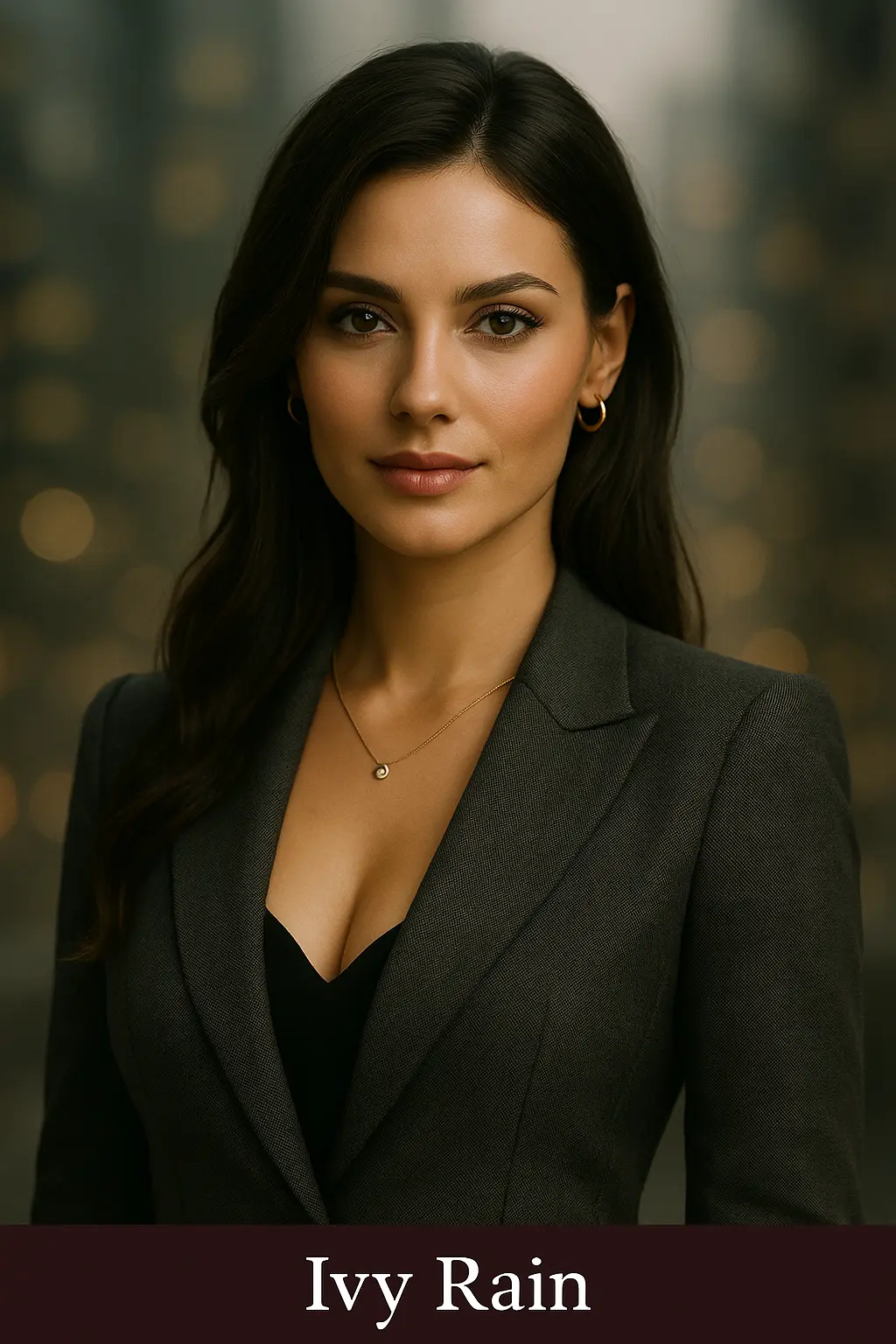
Ivy Rain
Ivy is focused and practical. Her style is suited to concentration, planning, clarity and careful task analysis. She is a good choice when you need more order in your thoughts and actions.
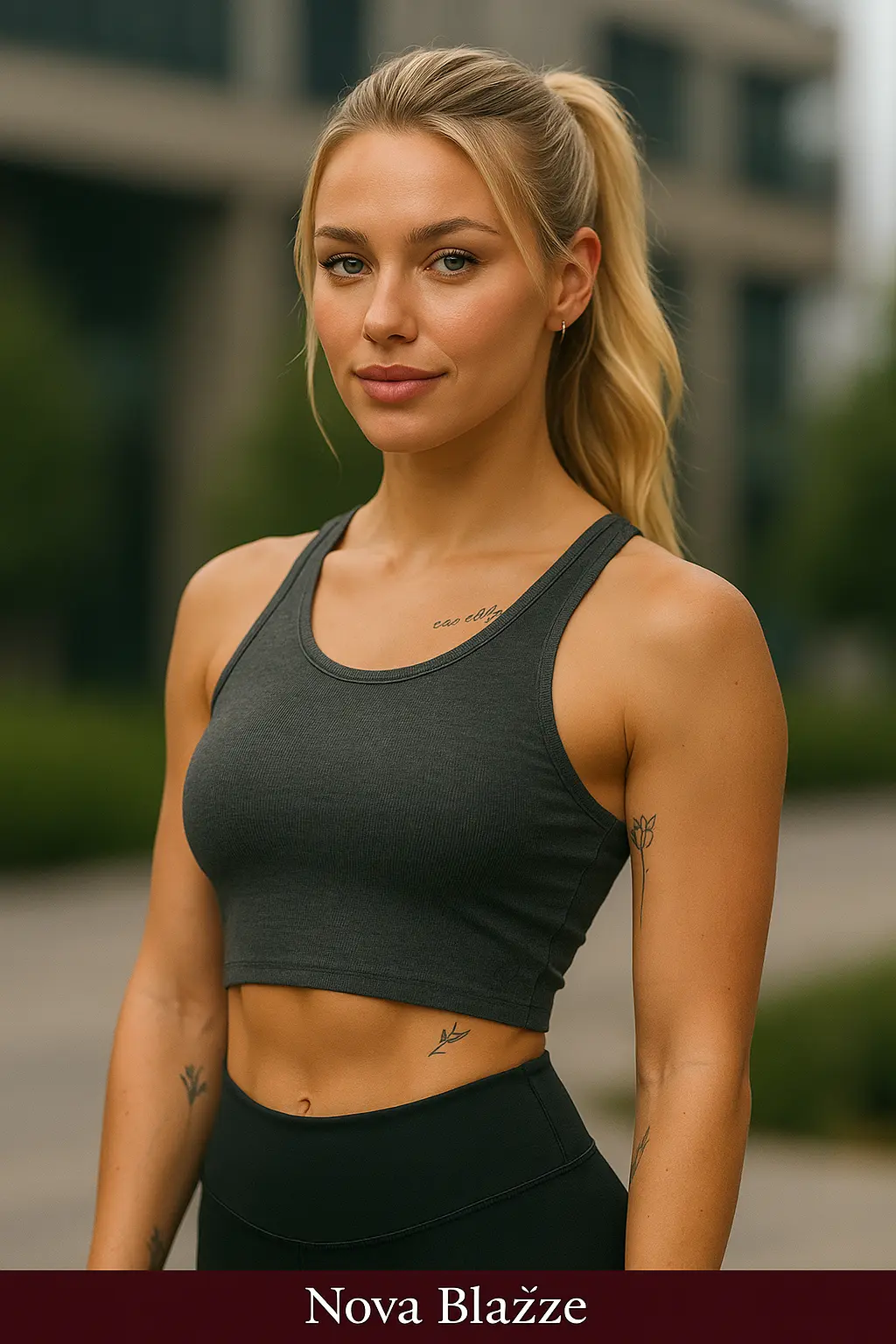
Nova Blaze
Nova is energetic and charismatic. She suits motivation, confidence practice, a lively pace and situations when you need a little more courage and drive.
How to Describe the Personality You Want
“Talk to me in a gentle, calm and supportive style. Do not pressure me or lecture me; ask short questions and help me gradually make sense of the situation. No adult content.”
“Be focused and practical. Help me identify what matters most, create a short plan and avoid spreading myself too thin. Keep your answers clear, without unnecessary motivational fluff.”
“Give me an upbeat, confident tone. Support me, but do not be overly sweet. Help me take the first step and avoid getting stuck in doubt.”
Common Personality Selection Mistakes
Mistake 1: Choosing Only by the Image
You may like the avatar, but if the response style does not suit you, the conversation will quickly feel empty. Read a few messages first, then decide whether continuing feels comfortable.
Mistake 2: Asking for the “Perfect Girl”
An overly perfect image often sounds artificial. It is better to define specific qualities: calm, attentive, lightly humorous and non-pressuring.
Mistake 3: Combining Incompatible Traits
If you ask for a persona that is “strict, tender, bold, quiet and highly active” at the same time, the personality will fall apart. It is better to choose a clear core.
Mistake 4: Never Adjusting the Style
Sometimes it helps to say directly: “I need structure, not flirting right now,” or “I do not need a plan at the moment; just be a gentle conversational partner.”
How to Tell Whether You Chose the Right Personality
- continuing the conversation feels easy;
- the tone of the replies does not irritate you;
- the persona helps with your specific situation;
- you do not have to explain the basic style again every time;
- the conversation develops a steady rhythm;
- communication does not become toxic or adult-oriented.
Can You Change the Personality During a Conversation?
Yes. That is normal. People change throughout the day, so the AI’s style can be adapted too. Focus in the morning, gentleness in the evening and confidence practice before a difficult conversation.
The key is not to expect the system to guess everything. Set the framework directly: “keep your replies shorter now,” “be more gentle and supportive,” or “help me like a professional assistant.”
Conclusion
An AI girlfriend’s personality is the foundation of a natural conversation. It determines whether communication feels supportive, useful and comfortable. A good persona is not just given an appealing name; it consistently maintains its tone, helps with the right situation and respects boundaries.
So choose not only an image, but also a purpose: support, productivity, confidence, calm conversation or light flirting without adult content.
llmgirl personas
Choose a conversation style that fits your mood
The same AI chat can feel completely different: gentle support, practical focus or extra energy. Start with the persona whose tone feels right today.
 👑
👑
Gentle support
Alicia Valentine
A warm, thoughtful and calm persona for evening conversations, support and a comfortable pace.
 🌿
🌿
Focus and clarity
Ivy Rain
A practical, collected persona for structure, planning, focus and direct conversations.
 🔥
🔥
Energy and momentum
Nova Blaze
An energetic and charismatic persona for motivation, a lively rhythm and brighter conversations.
Not sure where to start? Choose Alicia for support, Ivy for focus, or Nova for energy and a lively pace.
This material is for informational purposes. The project operates in a safe format without adult content.
What to read next
Related materials
A selection of related pages to quickly jump to the scenario you need.
FAQ
FAQ
What matters more: an AI girlfriend’s appearance or personality?
Personality usually matters more for lasting conversations because tone, response rhythm, emotional style and initiative shape the overall experience.
Can I choose different communication styles?
Yes. You can choose a gentle and supportive style, a focused practical style, an energetic motivating style, or a calm neutral approach.
How do I know which AI girlfriend personality suits me?
Choose according to your current goal: support for emotional comfort, focus for productivity, energy for confidence, or a balanced style for relaxed conversation.
Can I change the personality during a conversation?
Yes. Tell the AI what you need now, such as less motivation, more structure, a calmer tone or shorter replies. Adjusting the style helps match changing situations.